Two losses in plantation country are not a verdict; they are a survey marker for the next cycle.
தோட்ட நாட்டில் இரண்டு தோல்விகள் ஒரு தீர்ப்பல்ல; அவை அடுத்த சுழற்சிக்கான ஒரு கணக்கெடுப்பு குறி.
Every Dravidian party in Tamil Nadu has built its identity through visual repetition. The Dravidar Kazhagam's black flag stood for rationalist austerity. The DMK's rising-sun-on-red carried the optimism of post-independence Tamil assertion. The AIADMK's two leaves on a tricolour foreshadow signalled mass populist appeal. When Tamilaga Vettri Kazhagam unveiled its flag in 2024, it inherited this dense lineage and made deliberate choices to both honour and depart from it.
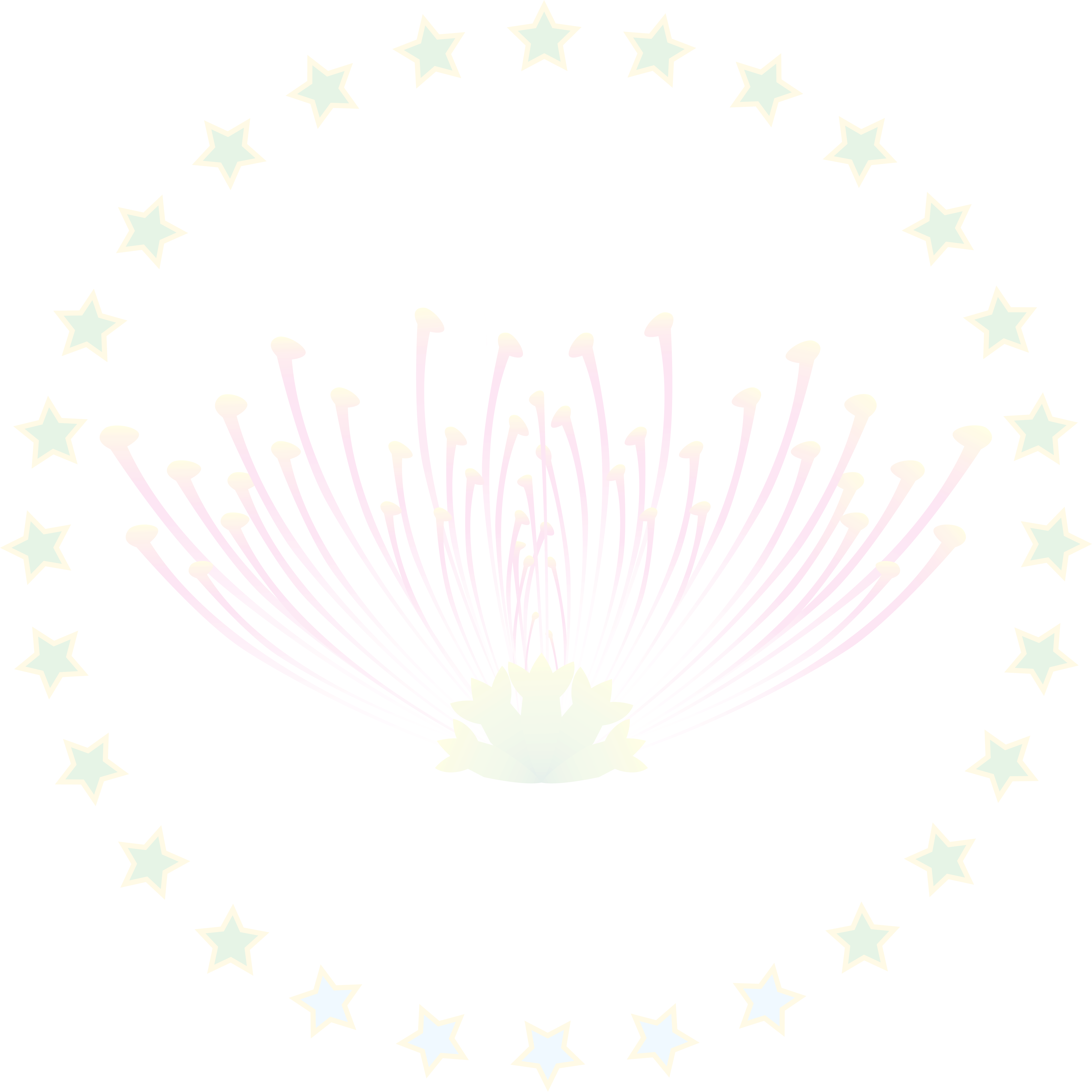
At the centre of TVK iconography sits the vagai flower — the bloom of the Indian Beech, Pongamia pinnata. In classical Tamil literature, vagai is the flower of victory. Sangam poetry awarded the vagai garland to kings returning triumphant from battle; the word itself, vettri, means victory and gives the party its name. By placing vagai at the visual centre, TVK declares its founding premise: this is a kazhagam built around the idea of decisive, earned triumph rather than inherited entitlement. The flower is rendered in gold against a deep red field, the same gold-on-red that has historically signalled royalty and ceremonial honour in Tamil culture.
Flanking the central emblem on official iconography stand two elephants. The choice is loaded. The elephant has been a Tamil royal symbol for two millennia — the war elephants of the Cholas, the temple processional elephants of Madurai, the elephant motifs carved into Pallava stone. Elephants signify strength that is steady rather than impulsive, memory that does not forget, and a kind of dignified power that protects rather than threatens. For a party led by a film star often accused by critics of being a personality cult, the twin-elephant motif quietly argues the opposite: stability, ancient legitimacy, an institution rather than an individual.
Above the central image arcs a halo of stars. The stars echo a long visual tradition — from the crescent-and-stars of older nationalist banners to the constellation imagery in Dravidian iconography — and offer a forward-looking gesture. Where the vagai and elephants reach into Tamil history, the stars reach into aspiration. Read together, the flag offers a temporal argument: rooted past, dignified present, ascending future.
The colour palette completes the rhetoric. Red is the inheritance of Dravidian self-respect politics, the colour of the working-class flag and the rising-sun field. Gold lifts that red out of pure militancy and into the register of celebration and ceremony — closer to temple gopurams than to street barricades. Compared with the DK's austere black or the AIADMK's busier tricolour, TVK's two-colour discipline reads as confident and modern. In Coimbatore, where the party's district unit under V. Sampathkumar produced one of its strongest visual campaigns, the flag flew over poll booths, ward offices, and the swearing-in week of the new ministry in May 2026 — a banner already legible as belonging to a governing party.
தமிழ்நாட்டின் ஒவ்வொரு திராவிடக் கட்சியும் தனது அடையாளத்தை காட்சித் திரும்பத்திரும்ப பயன்பாட்டின் வழியாகவே கட்டியெழுப்பியுள்ளது. திராவிடர் கழகத்தின் கருப்புக் கொடி பகுத்தறிவின் எளிமைக்கான குறியீடு. திமுகவின் சிவப்புப் பின்னணியில் உதயசூரியன் சுதந்திரத்திற்குப் பின்னான தமிழ் எழுச்சியின் நம்பிக்கையை சுமந்தது. அதிமுகவின் மூவர்ணக் கொடியில் இரட்டை இலைகள் வெகுஜன மக்கள் ஈர்ப்பை அறிவித்தன. 2024-ல் தமிழக வெற்றிக் கழகம் தனது கொடியை வெளியிட்டபோது, அது இந்த அடர்த்தியான பாரம்பரியத்தை வாரிசாக ஏற்றது; அதனை மதிக்கவும், அதிலிருந்து திட்டமிட்டு வேறுபடவும் தேர்வுகள் செய்தது.
தவெக சின்னவியலின் மையத்தில் வாகை மலர் — புங்கை மரத்தின் பூ — அமர்ந்திருக்கிறது. செம்மொழித் தமிழ் இலக்கியத்தில் வாகை வெற்றியின் மலர். சங்கப் பாடல்களில் போரிலிருந்து வெற்றியோடு திரும்பும் மன்னர்களுக்கு வாகை மாலை சூட்டப்பட்டது; வெற்றி என்ற சொல்லே கட்சிக்குப் பெயரைத் தந்துள்ளது. வாகையை மையத்தில் வைப்பதன் மூலம், தவெக தனது அடிப்படை கோட்பாட்டை அறிவிக்கிறது — இது வாரிசு உரிமையால் அல்ல, ஈட்டிய வெற்றியால் கட்டப்படும் கழகம். இந்த மலர் அடர் சிவப்புப் பின்னணியில் தங்க நிறத்தில் வரையப்பட்டுள்ளது.
அதிகாரப்பூர்வச் சின்னவியலில் மைய உருவத்தின் இரு பக்கங்களில் இரண்டு யானைகள் நிற்கின்றன. இந்தத் தேர்வு பொருள் நிறைந்தது. யானை இரண்டாயிரம் ஆண்டுகளாக தமிழ் அரச சின்னமாக இருந்து வருகிறது — சோழர்களின் போர் யானைகள், மதுரை கோவில் ஊர்வல யானைகள், பல்லவ கற்களில் செதுக்கப்பட்ட யானை வடிவங்கள். யானைகள் அவசரம் இல்லாத ஸ்திரமான வலிமையை, மறக்காத நினைவை, அச்சுறுத்துவதற்குப் பதிலாக பாதுகாக்கும் கம்பீரமான ஆற்றலை குறிக்கின்றன.
மைய உருவத்திற்கு மேலே விண்மீன்களின் ஒளிவட்டம் வளைகிறது. விண்மீன்கள் ஒரு நீண்ட காட்சிப் பாரம்பரியத்தை எதிரொலிக்கின்றன; அவை எதிர்காலத்தை நோக்கிய சைகையை வழங்குகின்றன. வாகையும் யானைகளும் தமிழ் வரலாற்றை நோக்கி நீளும் இடத்தில், விண்மீன்கள் ஆசை நிறைந்த எதிர்காலத்தை நோக்கி நீள்கின்றன. இவற்றை ஒன்றாக வாசிக்கும்போது, கொடி ஒரு கால வாதத்தை முன்வைக்கிறது — வேரூன்றிய கடந்தகாலம், கம்பீரமான நிகழ்காலம், எழுச்சியடைகின்ற எதிர்காலம்.
நிறப் பலகை இந்த சொல்லாட்சியை முழுமைப்படுத்துகிறது. சிவப்பு திராவிட சுயமரியாதை அரசியலின் வாரிசு. தங்கம் அந்தச் சிவப்பை வெறும் போராட்டத்திலிருந்து கொண்டாட்டத்திற்கும் விழாவிற்கும் உயர்த்துகிறது — தெருத் தடைகளை விட கோவில் கோபுரங்களுக்கு நெருக்கமாக. திராவிடர் கழகத்தின் எளிய கருப்பையும் அதிமுகவின் கூட்டமான மூவர்ணத்தையும் ஒப்பிடும்போது, தவெகவின் இரு நிறக் கட்டுப்பாடு நம்பிக்கையும் நவீனத்துவமும் கொண்டதாக வாசிக்கப்படுகிறது. கோவையில், 2026 மே மாத பதவியேற்பு வாரத்தில் ஆளும் கட்சியின் கொடியாக இது பறந்தது.